Empowering children through water safety
How will your child learn?
Expert ISR lessons for ages 6 months to 6 years old. Building confident swimmers and floaters.
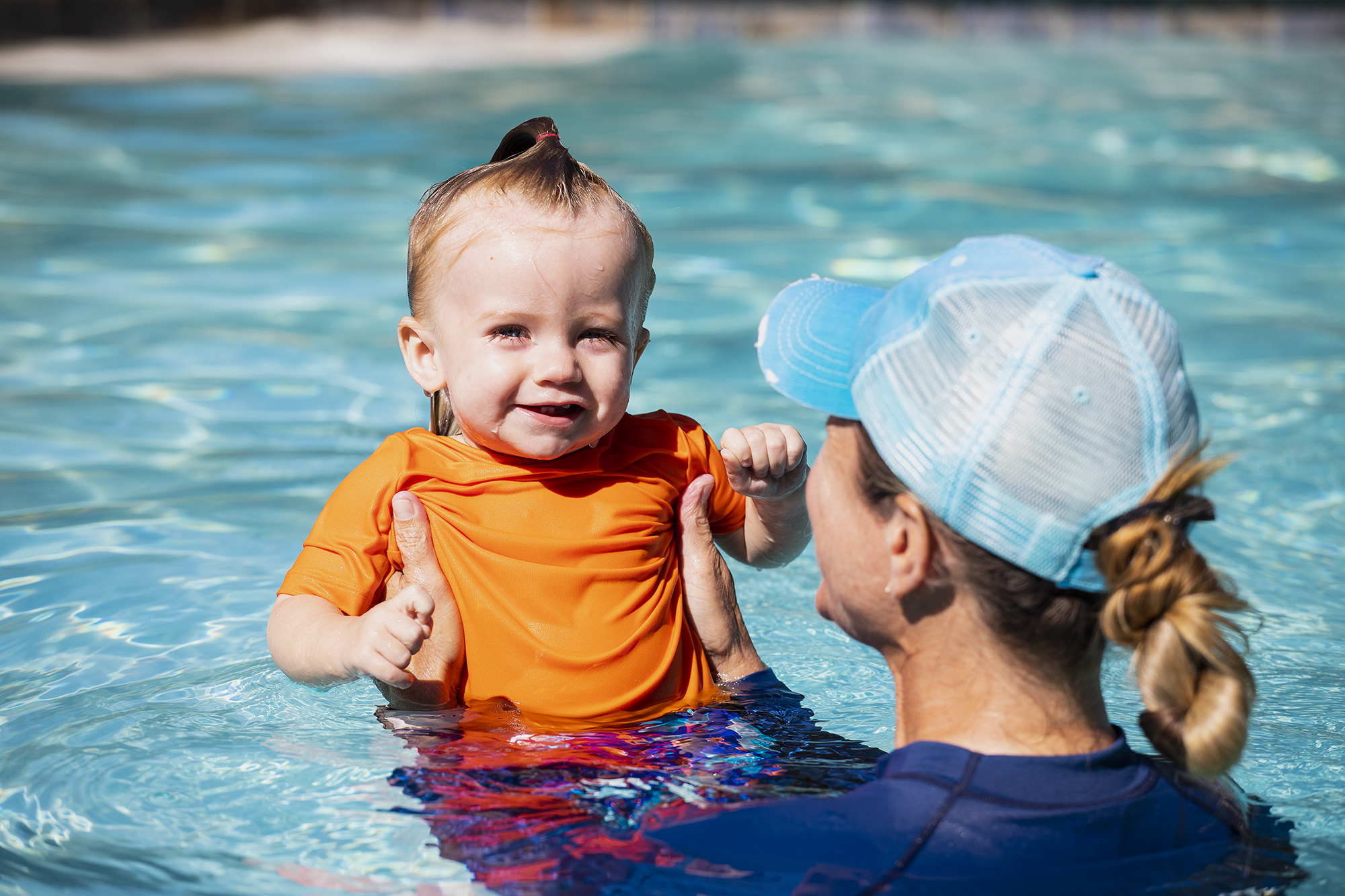
Swim Lessons
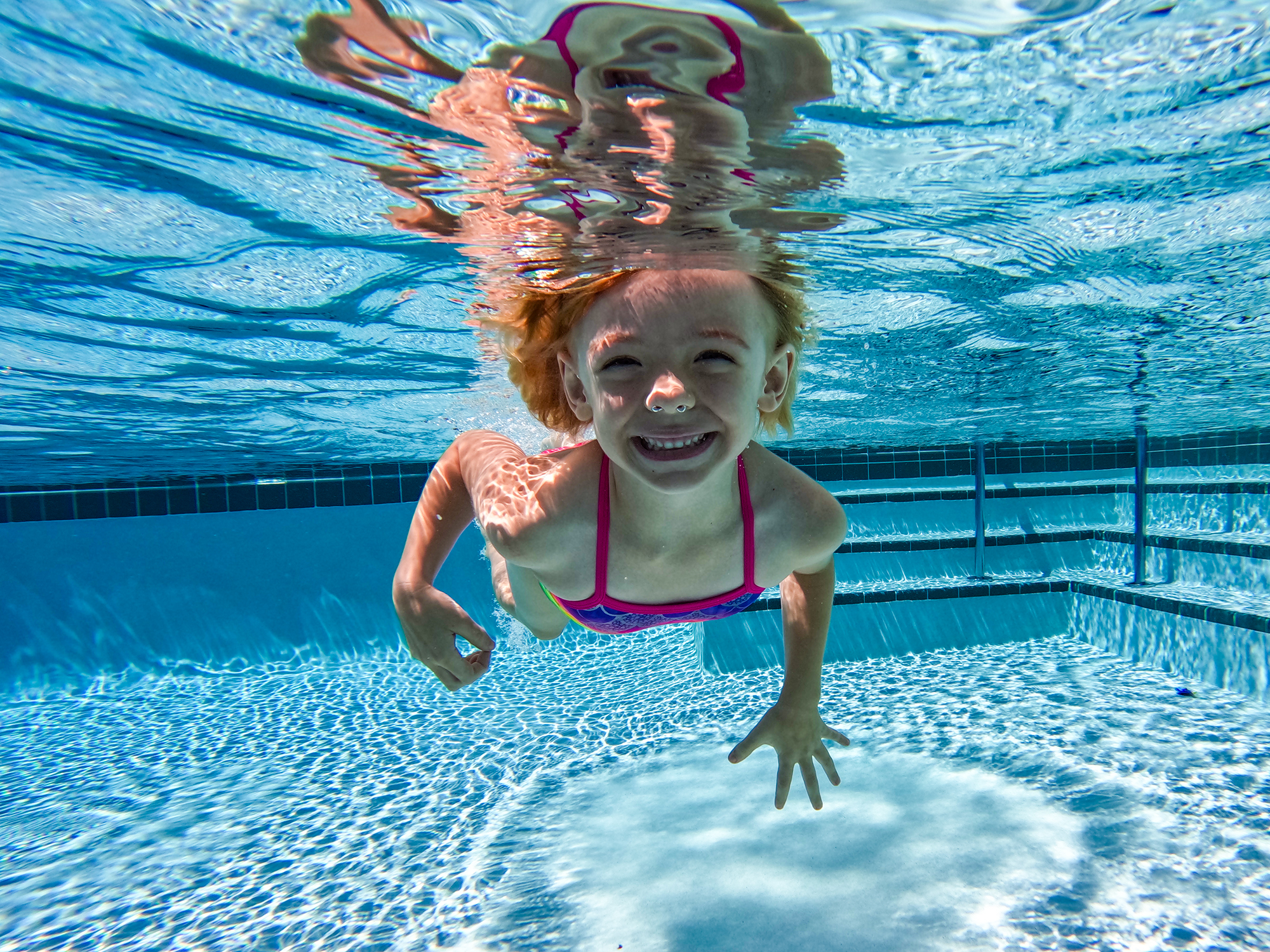
One-on-One Survival Swim Instruction
Every child is unique. Our individualized, private ISR lessons are tailored to your child's unique needs, pace, and personality. We provide focused attention on your child, helping them learn self-rescue skills step-by-step while building confidence as they go!
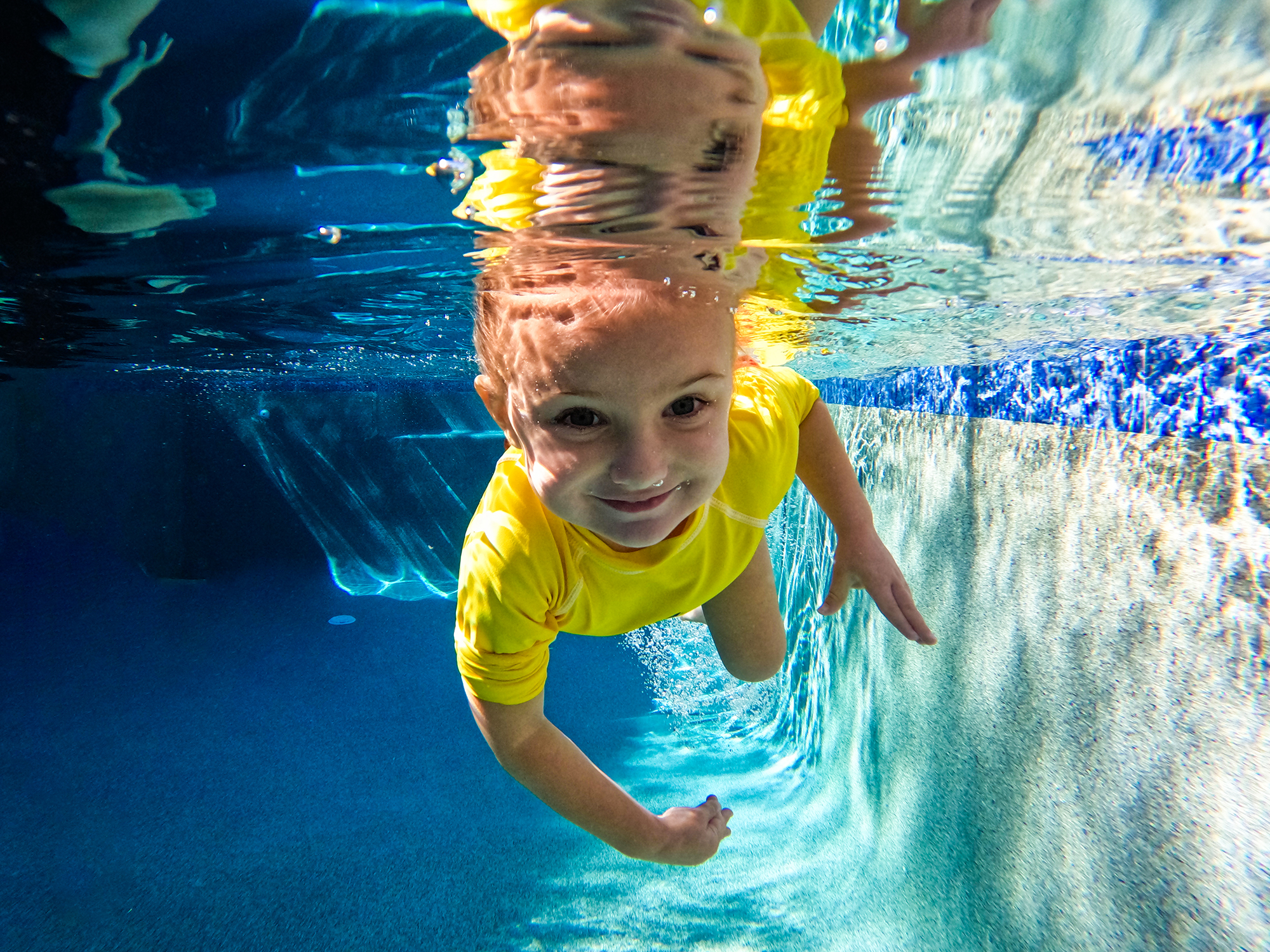
Refreshers for Returning Swimmers
Children grow and develop rapidly during early childhood, and their swim skills need to adjust as they grow. Refresher lessons are shorter sessions, designed for students who have already completed ISR lessons and need to keep their skills fresh. These classes reinforce their survival skills, adjust for growth and changes in their proportions, and keep your little one confident and capable in the water year after year.
FAQs
Will my child fear the water because of lessons?
There is an important difference between being fearful and being apprehensive because you are not yet
skilled in a new environment. ISR is not like traditional swim lessons; it is a drowning prevention program
that teaches survival swimming. Sometimes as a parent, you make choices for your child’s safety, like
sitting in a car seat, because you know they are important. The same can be said for ISR.
Fun can be defined as when skill meets challenge. Once competent in their skills, many children cannot
be dragged away from the pool. They are having entirely too much FUN.
Why does it take an average of 6 weeks for my child to learn this?
The 6-week average is an estimate that is based on the average time in which it takes most children to
learn these survival skills. Every child is unique and ISR’s Self- Rescue program is specifically designed
based on your child’s individual strengths and needs. It is important to realize that this is an average
which means that some children will actually finish more quickly while others will need more practice.
ISR is dedicated to safety and, therefore, we want to provide your child with the time and best
opportunity to become proficient in his/her survival skills. We will always honor your child’s needs.
How is it that babies can learn to respond to the danger of water when they fall in?
A baby does not need to perceive danger or be afraid to respond appropriately to being underwater. If a
baby has learned to roll over and float when he needs air, he doesn't need to perceive danger in order to
respond in this manner. He needs skill, practice and confidence to calmly deal with the situation.
Why do you have the children swim in clothes?
Because 86% of children who fall in the water do so fully clothed, we want our students to have
experience with such a situation. If a child has experienced the sensations of being in the water in
clothing prior to an emergency situation, he/she is less likely to experience panic and be able to focus on
the task at hand. If you have ever jumped in the water with clothes on, then you know that there is a
significant difference in weight and feel with clothes as opposed to a bathing suit.
Ready to Get Started?
Contact us to learn more about our offerings.